
Most insurance plans will cover either all or a portion of the treatment.

Content Reviewed By:
SUD treatment executive, national news contributor & keynote speaker.
- Drugs and the Brain
- Which Drugs Affect the Central Nervous System?
- Cause and Effect: The Complex Relationship between Drugs and the CNS
- Treating and Managing Addiction-Related Central Nervous System Issues
Updated: 04/17/2024
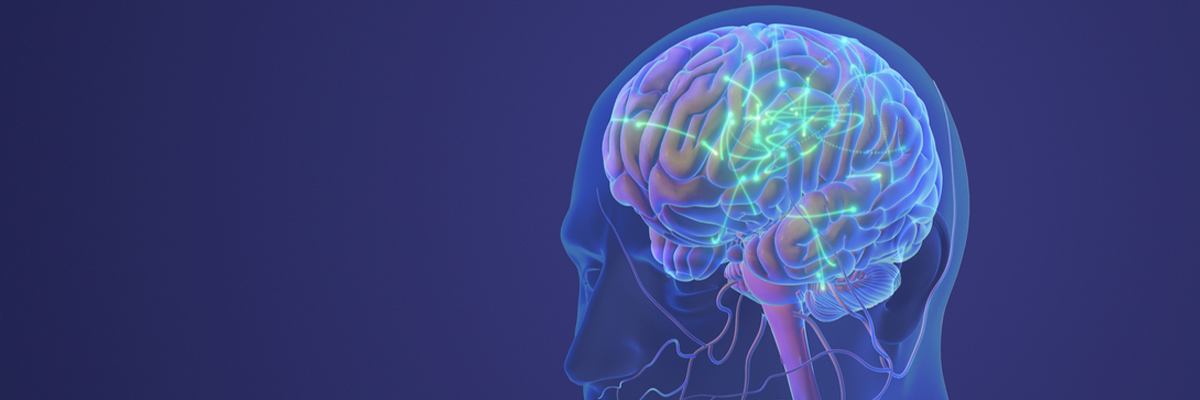
Drug addiction is often seen as a strictly behavioral issue, a series of dishonest, irresponsible, and often criminal actions that are generally seen as the product of a moral failing rather than an actual chemical dependency issue. The reality, however, is that behind every reckless act, every craving, and every bout of withdrawal are real and significant changes to the central nervous system (CNS) that drive behavior.
When substance use disorder escalates to the point of addiction, it creates real and lasting changes in the brain’s chemistry that trigger cravings and make it incredibly difficult for the central nervous system to function properly without experiencing withdrawal symptoms. While different types of drugs have their own unique impact on the brain and body, they all make it incredibly difficult to overcome withdrawal and for the body to function normally without satisfying cravings.
Drugs and the Brain
The impact of drugs on the central nervous system is closely related to how they affect the
brain. In a nutshell, drugs interfere with the way neurons send, receive, and process signals via neurotransmitters. This affects behaviors such as hypervigilance, agitation, restlessness, decreased appetite, irritability, and sleep disorder.
Drug and alcohol addiction also manipulates the brain’s pleasure reward systems through the destruction of dopamine receptors. Dopamine is a powerful neurotransmitter that sends pleasure signals to the brain. Each cycle of drug use floods the brain with dopamine, which creates an increasingly intense desire that leads to addiction.
Which Drugs Affect the Central Nervous System?
The short answer is that all drugs affect the central nervous system in one form or another.
Here are some specific ways that different substances impact activity and function.
- Central Nervous System Depressants – Heroin, opioids, benzos, and antipsychoticsare central nervous system depressants. This means they slow down the messages between the brain and body. They can affect concentration and coordination and slowdown reaction times. Higher doses of central nervous system depressants can also slow heart rate and breathing, which often leads to overdose.
- Central Nervous System Stimulants – Cocaine and methamphetamine (meth) are central nervous system stimulants and share a classification with prescription drugs Adderall and Ritalin. These drugs increase levels of certain chemicals in the brain to increase alertness, attention, energy, and physical activity. Central nervous system stimulants also raise blood pressure and increase heart rate and breathing. Excessive use can lead to heart attack, psychosis, and other severe health conditions.
Cause and Effect: The Complex Relationship between Drugs and the CNS
As addiction alters central nervous system function and activity, it can render the bodyvulnerable to multiple health risk
These include but not limited to:
- Stroke – Cocaine, heroin, meth, and other illicit drugs have been associated with higher rates of stroke across multiple age groups.
- Heart attack – Cocaine is often called the “‘heart attack drug” because of the strain itputs on heart rate. This is also true for other CNS stimulants.
- Tremors – Tremors and shaking are common symptoms of withdrawal from alcohol and many other addictive substances.
- Seizures – Antidepressants, diphenhydramine, stimulants, opioids, and many other drugs can cause seizures, some of which can be deadly or lead to permanent brain damage.
- Chronic pain – Opioids and heroin, in particular, significantly increase the risk of chronic Pain and nerve-related impact on the CNS.
Cognitive deficits that can occur due to drug-related CNS disorders include aggression, dis-inhibition, depression, anxiety, and emotional volatility.
Treating and Managing Addiction-Related Central Nervous System Issues
Treatment for CNS issues related to alcohol or drug addiction will vary depending upon whatkind of drugs are being used, how long, and what the scope of the CNS impact is. In all cases, however, professional treatment, including detox and rehab, must be administered to address the clinical and behavioral aspects of drug use.
Some of these addiction Treatment offers include:
- Professional help for withdrawal from trained doctors and nurses who can help medically relieve your symptoms
- Coordinated ongoing medical care to help address the impact of your drug use
- Comprehensive behavioral rehab to help you address the origins and triggers of yourinitial substance use.
- Insights and guidance on how to best manage pain and illness post-treatment
After treatment, continue to work with your doctor to develop a care plan to relieve your symptoms.
Some clinical and natural methods to manage your symptoms include:
- Over-the-counter and prescription medication
- Occupational and physical therapy
- Meditation, massage, and yoga
- Light exercise
The first step to healing from the health complications of substance use is to get treatment for the substance use itself. It may seem like your health issues are too far gone or that your body is too to bounce back, but you can still heal. Don’t be afraid or ashamed to ask for help. A better and healthier future is possible. Take the first step toward finding treatment now.