

Content Written By:
SUD treatment executive, national news contributor & keynote speaker.
100-Point Expert Evaluation Rubric For Top Ten Rehabs in Ohio
Choosing the best drug and alcohol rehabilitation program can be one of the most important decisions a person or family makes. To help identify some of Ohio’s strongest treatment options, Andrew McKenna, JD, reviewed programs across the state based on factors such as clinical services, accreditation, levels of care, family involvement, continuing care, accessibility, and available independent records. The following Top 10 highlights Ohio rehabilitation programs that stand out for their overall approach to addiction treatment and long-term recovery support.
Navigation:
- #1 – Glenbeigh Hospital and Outpatient Center
- #2 – Woodlands Grove Recovery Campus
- #3 – The Recovery Village Columbus
- #4 – The Ridge Ohio
- #5 – OneEighty Women’s Residential Treatment
- #6 – Stella Maris
- #7 – OVP Health Recovery Center – South Point
- #8 – Meridian HealthCare – Donofrio Center
- #9 – Findlay Recovery Center
- #10 – IBH Addiction Recovery
#1 – Glenbeigh Hospital and Outpatient Center
Expert Score: 90/100

Glenbeigh takes the top spot for a fairly simple reason: it has depth, stability and a continuum patients can actually use. A patient can enter medically managed inpatient or residential care and step down through partial hospitalization, intensive outpatient, outpatient and continuing support without starting over at every handoff. The family program is recurring and available both in person and virtually, which is a practical strength for families dealing with distance, work and child-care obligations. Glenbeigh also has mature medical and clinical infrastructure and several outpatient access points. I am not putting it first because it is large or familiar. I am putting it first because assessment, treatment, family education, step-down care and recovery support work as one system. I would still confirm current staffing, site-specific outcomes and the state regulatory file before publication, but the independent record gives Glenbeigh a narrow edge.
Independent verification reviewed: Joint Commission provider listing; Glenbeigh family education; Glenbeigh outpatient treatment.
#2 – Woodlands Grove Recovery Campus
Expert Score: 89/100
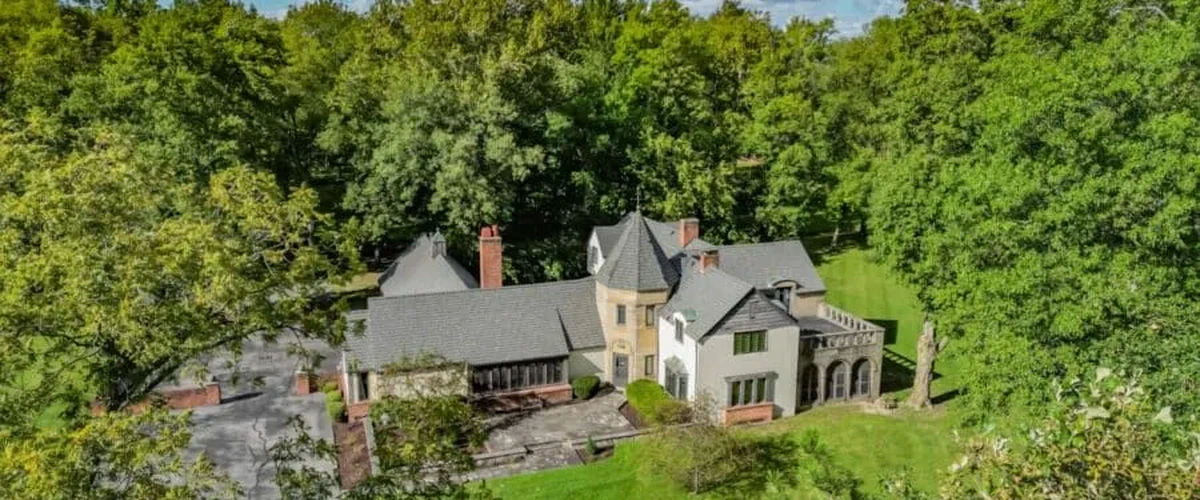
Woodlands Grove is new, but it is already one of the strongest treatment settings I have seen in Ohio. The difference is not another promise to “meet patients where they are.” It is what the program does when a patient does not fit the standard track. Based on direct operational knowledge, clinicians will adjust programming, expectations and, when clinically appropriate, the length and shape of treatment instead of forcing everyone through the same sequence. The program is deliberately anti-cookie-cutter, and its length of stay has been consistently above what I see at comparable programs. Longer is not automatically better. But when the added time is clinically justified and paired with reassessment, it gives treatment room to work instead of pushing a patient toward a date on the calendar. Current public and accreditation records also support medically managed residential care, high-intensity residential treatment, partial hospitalization, intensive outpatient care, co-occurring treatment, family work and aftercare. Number two is reasonable. Its short operating history—not a weakness in the model—is the reason I am not yet placing it first.
Independent verification reviewed: Joint Commission provider listing; Woodlands Grove overview; Woodlands Grove admissions.
#3 – The Recovery Village Columbus
Expert Score: 88/100
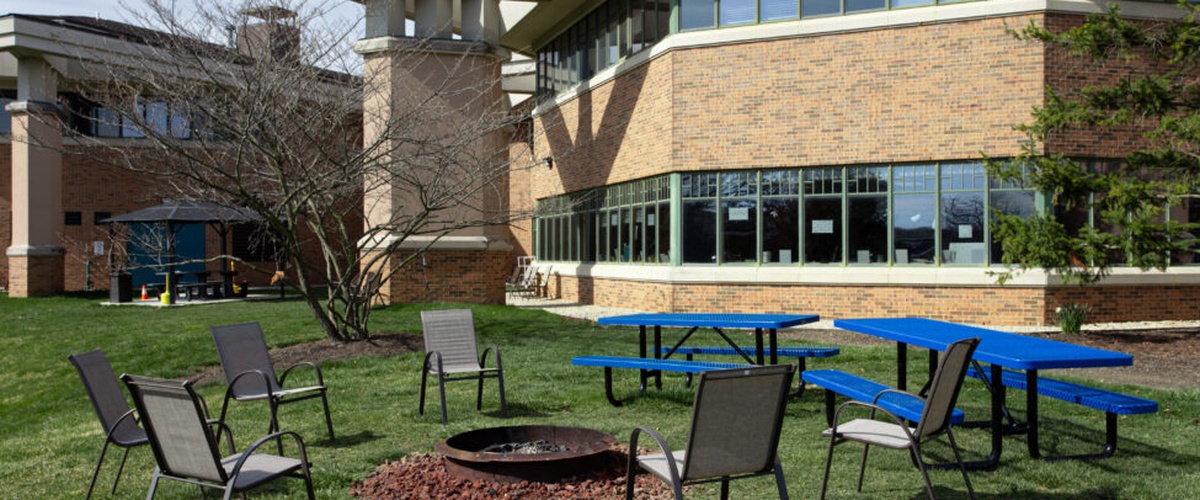
The Recovery Village Columbus comes in third on the strength of a broad, medically supported continuum. Its current materials and Joint Commission profile support detoxification, residential care, partial hospitalization, intensive outpatient and outpatient services, medications for addiction treatment, and treatment for co-occurring mental-health conditions. Family weekends and family therapy are part of the model, and aftercare planning starts early enough to address medication, housing, outpatient care, support groups and alumni connection before discharge. That breadth matters. A program should be able to handle withdrawal, psychiatric needs, relapse risk and the return to ordinary life without losing the patient between departments. What keeps Recovery Village out of the top two is not a visible clinical defect; it is the lack of Columbus-specific, independently reviewed data on outcomes, retention, family participation and proactive follow-up. The structure is clearly strong. The public measurement of how well that structure performs is less developed.
Independent verification reviewed: Joint Commission provider listing; Admissions and program FAQ; Aftercare program.
#4 – The Ridge Ohio
Expert Score: 87/100
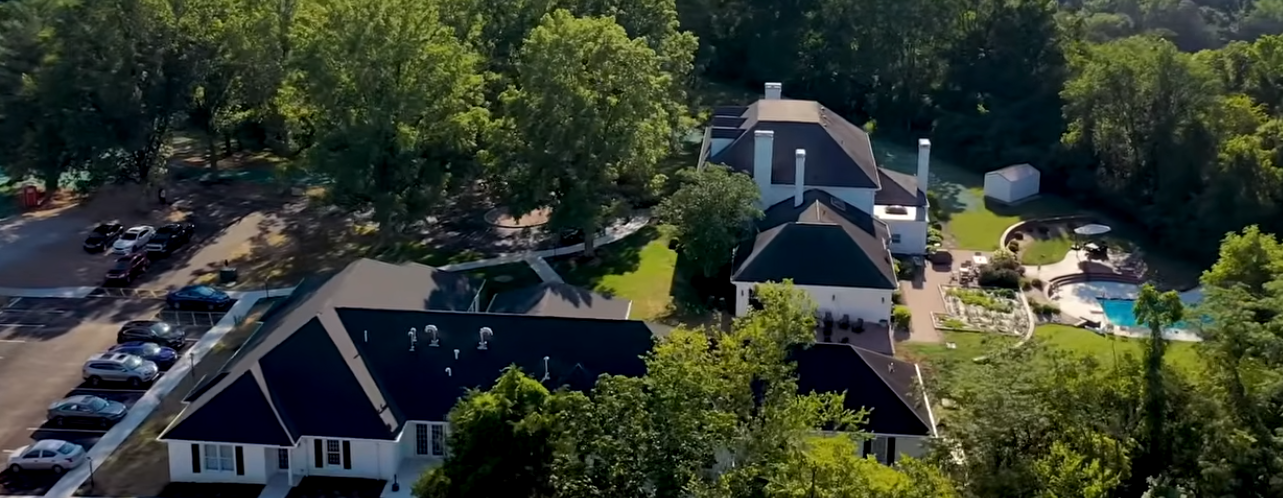
The Ridge earns fourth largely because it takes family recovery and post-discharge connection seriously. Its continuing-care model runs for 52 weeks and includes weekly support, individual sessions, family programming and outreach when a former patient starts to disengage. That is what continuing care should look like. A discharge packet and an alumni Facebook group are not the same thing. The program also describes psychiatric care, dual-diagnosis treatment and step-down options. During the recheck, I matched The Ridge’s Batavia residential sites to the current Joint Commission listing under the legal entity Healthcare Venture Partners LLC, which resolves an earlier verification concern. The remaining drawback is access: the program primarily describes private and PPO insurance rather than broad public-payer access. Even with that limitation, the family and continuing-care structure deserves serious credit.
Independent verification reviewed: Joint Commission provider listing; Inpatient program; Continuing care; Dual-diagnosis care.
#5 – OneEighty Women’s Residential Treatment
Expert Score: 85/100
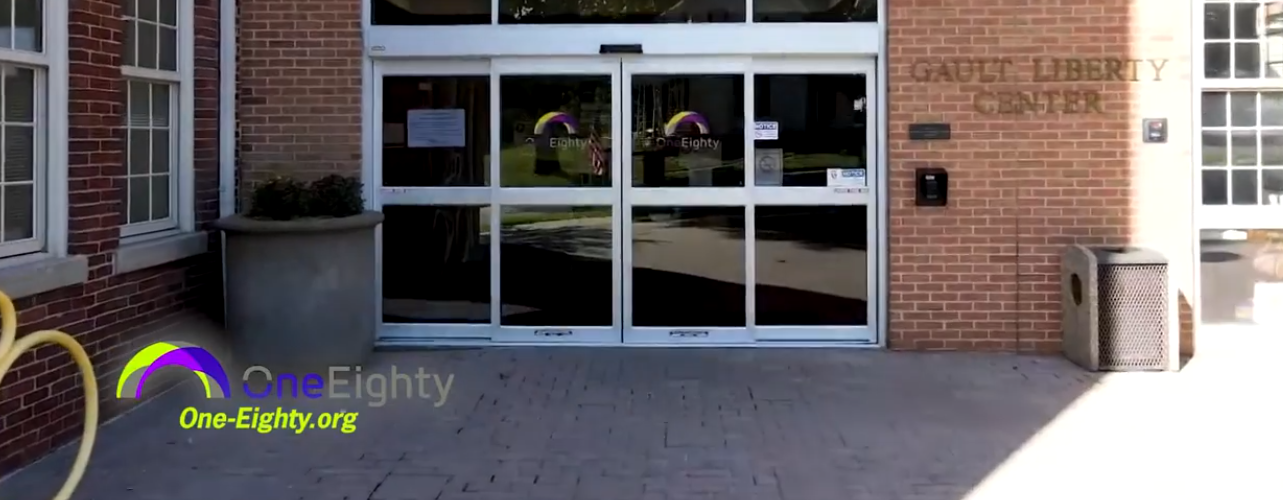
OneEighty deserves credit for doing something many programs avoid: publishing actual figures that can be examined. Its 2022 report includes length of stay, discharge status and self-reported sobriety at 90 days. The information is dated and not independently validated, but it is still more useful than an undefined “success rate.” Clinically, the women’s residential program combines ASAM 3.1 and 3.5 care with mental-health treatment, case management, peer support, transitional housing and outpatient services. That combination matters for women whose addiction is tied to violence, exploitation, parenting disruption or unstable housing. Safety and practical support are not side issues in those cases; they are part of treatment. The current accreditation profile does not show a 3.7 level, and the outcome report needs a current update with clear denominators and outside review. Even so, its focused model, transparency and community supports earn the fifth position.
Independent verification reviewed: CARF provider profile; OneEighty outcome summary.
#6 – Stella Maris
Expert Score: 84/100
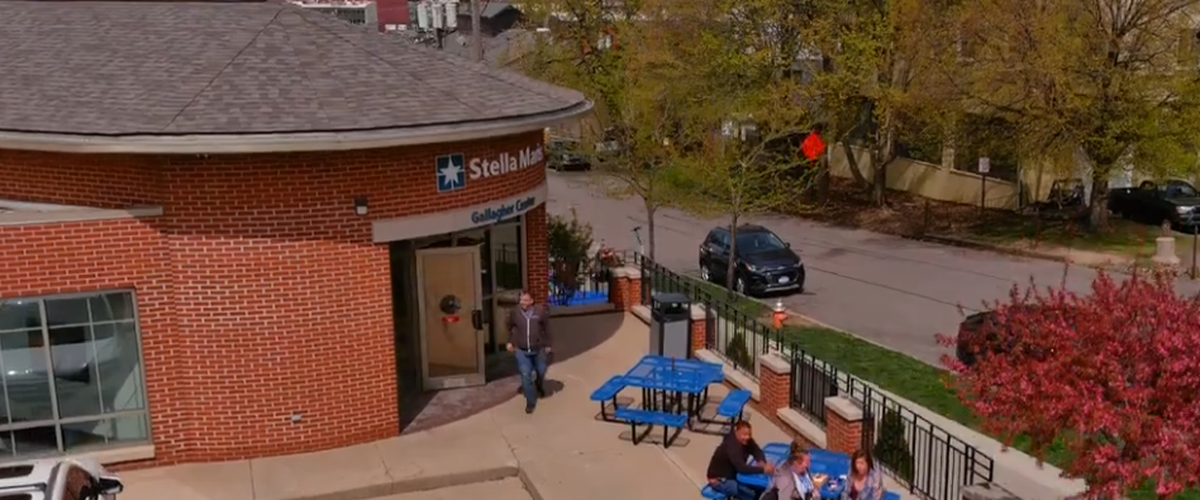
Stella Maris has been part of Cleveland’s treatment landscape since 1948, and that longevity is backed by a broad current service line. The program combines withdrawal management, high-intensity residential care, partial hospitalization, intensive outpatient treatment, recovery management and supportive housing. Its wraparound services include family therapy, medications for addiction treatment, psychiatry, primary care, peer support, case management and employment assistance. I also give real weight to the ten-session family series. That is a family program, not a one-time orientation dressed up as one. Stella Maris reports outcomes, but I would want the definitions, denominators, follow-up periods and independent validation before giving those numbers much scoring weight. It remains a durable and clinically broad Cleveland resource. Sixth is appropriate because the public record says more about the services offered than it does about individualized adaptation and proactive contact long after treatment ends.
Independent verification reviewed: Joint Commission provider listing; Stella Maris overview; Wraparound services.
#7 – OVP Health Recovery Center – South Point
Expert Score: 82/100
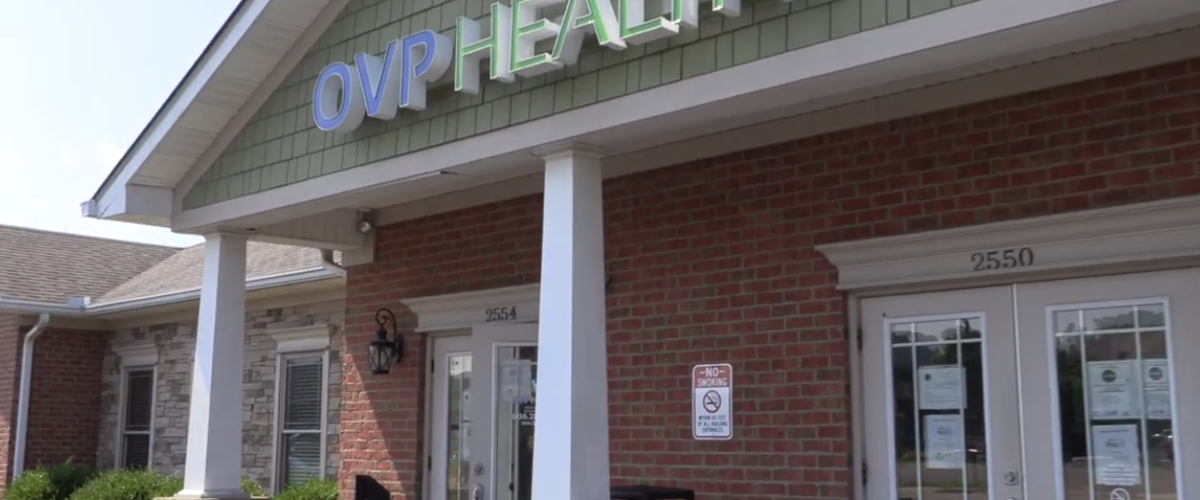
OVP’s South Point center fills an important role in southern Ohio. Its current CARF profile supports ASAM 3.1, 3.5 and 3.7, and the program provides 24-hour medical and nursing care, withdrawal management, mental-health services, medications for addiction treatment and peer support. It serves men and women, accepts Medicaid and offers transportation assistance. Those are practical strengths, especially for patients whose withdrawal or medical needs make a lower level of care unsafe. The weakness is what happens around and after the residential episode. Public information describes structured family visitation and aftercare referral, but it does not show the kind of family treatment curriculum or scheduled, proactive follow-up I would expect from a higher-ranked program. I also found an August 2026 ransomware claim naming parent organization OVP Health. As of this review, neither OVP nor a regulator had publicly confirmed it, so I am flagging it as an unresolved privacy issue rather than treating it as established fact or deducting points for it.
Independent verification reviewed: CARF provider profile; OVP Recovery FAQ; Unconfirmed cyber-incident reporting.
#8 – Meridian HealthCare – Donofrio Center
Expert Score: 81/100
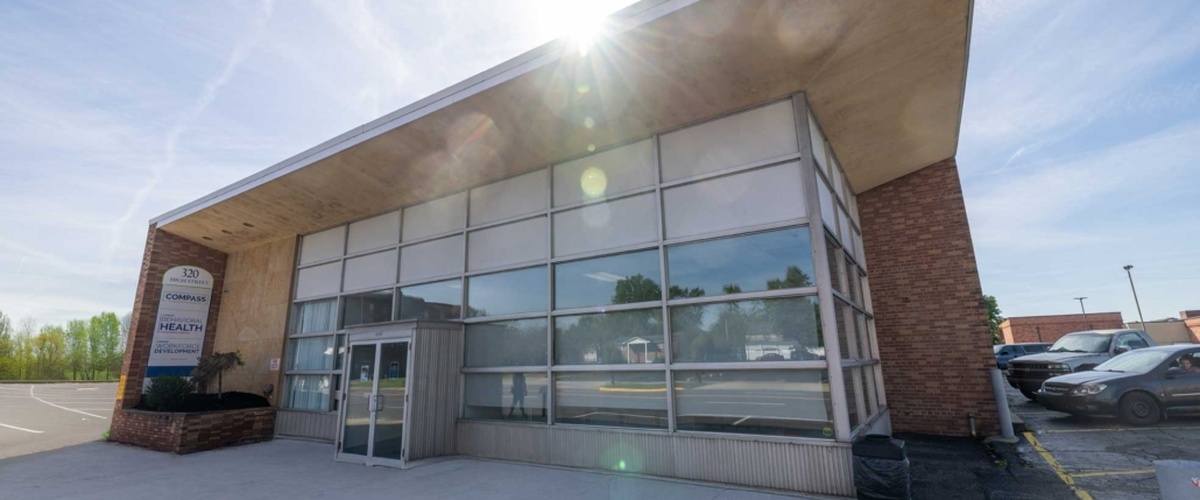
Meridian’s Donofrio Center remains in the Top 10 because its integrated model is useful and accessible. The current Joint Commission listing supports low- and high-intensity residential care, along with medically managed residential services. Meridian also combines addiction treatment, mental-health care, primary care and medications for addiction treatment, and it accepts Medicaid, private insurance and sliding self-pay arrangements. A program that most families cannot reach is not a strong program for most families. The recheck did uncover a 2025 Ohio Auditor report covering Meridian HealthCare as a Medicaid provider—not the Donofrio site alone. The auditor issued a qualified opinion for selected 2020-2022 claims and identified $5,282.85 in improper payments plus interest, involving services potentially billed during hospital stays, drug screens above limits and per-diem services without adequate treatment-plan support. Meridian declined an official response. The finding is far smaller and less severe than IBH’s adverse opinion, but it still costs Meridian points. I would keep Donofrio at eighth while requiring proof that the finding was resolved, along with a concrete one-year continuing-care protocol and site-level outcomes.
Independent verification reviewed: Joint Commission provider listing; Meridian addiction services; Ohio Auditor compliance examination.
#9 – Findlay Recovery Center
Expert Score: 81/100
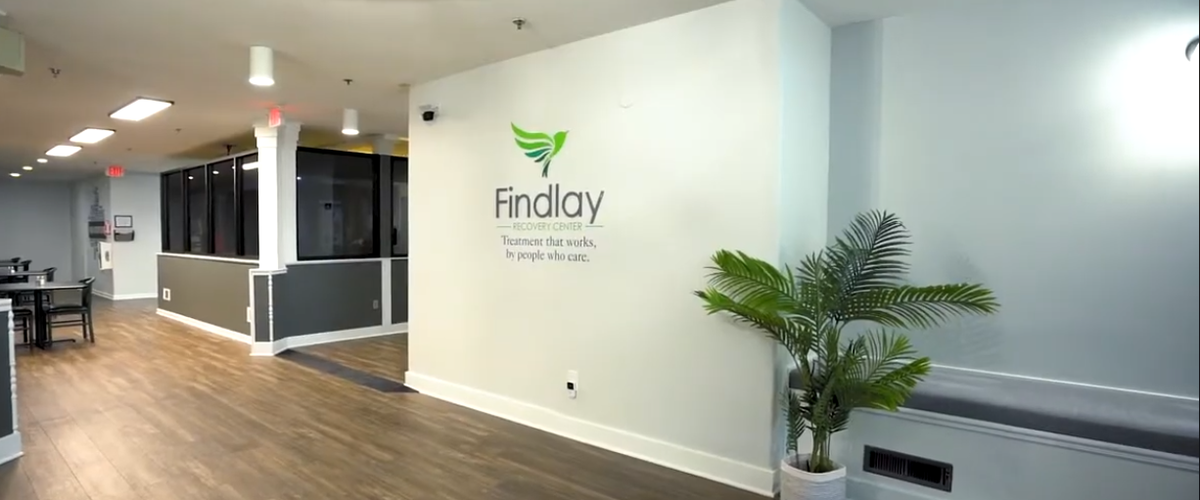
Findlay comes in ninth. Its current CARF profile supports ASAM 3.5 and 3.7, and the program describes detoxification, residential treatment, dual-diagnosis care, medications for addiction treatment and step-down planning. Current admissions information shows the facility operating 24 hours a day. The setting is modern and appears comfortable, but that matters only if it supports sleep, cleanliness, dignity and engagement. Flat-screen televisions and spa services do not establish clinical quality. Findlay’s current materials do describe family therapy, contact with a family therapist and an alumni program, so the earlier draft understated the public support for those services. What remains missing is independent evidence showing how often families participate, how active alumni outreach really is, and what outcomes follow. The clinical building blocks are there. Better measurement and clearer follow-through would move the program higher.
Independent verification reviewed: CARF provider profile; Findlay admissions FAQ; Findlay contact and operating hours.
# 10 – IBH Addiction Recovery
Expert Score: 80/100

IBH stays in the Top 10, but it drops from fifth to tenth after the recheck. Its current CARF profiles still support a substantial continuum: residential care, partial hospitalization, intensive outpatient, outpatient, integrated substance-use and mental-health treatment, peer services and aftercare. The REACH program adds volunteer, peer and community connection after intensive care. Those are real strengths. The Ohio Auditor’s December 2024 report, however, cannot be treated as a footnote. For selected 2020-2022 claims, the auditor issued an adverse opinion and found problems involving service documentation, treatment-plan authorization, units billed, proof of patient presence and practitioner eligibility, resulting in $43,493.79 in improper payments plus interest. IBH stated that it changed workflows and compliance controls beginning in late 2022, but the auditor expressly did not test that response. Because this was a documentation, authorization and billing-control finding—not a published license suspension or patient-safety closure—I am not automatically disqualifying the program. Until Ohio Medicaid confirms resolution and a newer independent review demonstrates that the controls are working, the ranking has to reflect the risk.
Independent verification reviewed: CARF residential provider profile; CARF outpatient and aftercare profile; IBH aftercare; Ohio Auditor compliance examination.
Click Here to View All Rehab Centers In Ohio
Independence and disclosure
Facilities cannot pay to be included in or improve their position in Drug Rehab USA’s Top 10 rankings. Advertising and commercial relationships do not affect the evaluation score. Any financial, referral, employment, consulting or personal relationship between the reviewer and a program should be disclosed, and an independent second reviewer should confirm the affected score and position.





