
Navigation
- The Fentanyl Crisis: How Synthetic Opioids are Driving Addiction, Overdose, and Deaths
- Narcan (naloxone) Saves Lives – Narcan Locator
- Fake Prescription Medication Laced With Deadly Quantities of Fentanyl
- How to Create A Relapse Prevention Plan
- Interventions Can Save Your Loved One’s Lives
- Addiction Treatment for People with Disabilities
- Addiction and Homelessness
- Social Media Addiction and Suicide – Guide
- A Prevention Primer For Parents and Caregivers
- First Responders and Mental Health: Our Heroes Need Help
- Cyberbullying and Suicide among Youth – Guide
- Persuasive, Compassionate Arguments in Favor of Treatment
- Black Men Matter – Examining Mental Health Issues among Black Men – A Guide to Freedom
- How Dogs Can Help with Depression
#1 The Fentanyl Crisis: How Synthetic Opioids are Driving Addiction, Overdose, and Deaths
The fentanyl crisis in the U.S. is a severe public health emergency, with synthetic opioids driving addiction, overdose, and a sharp increase in deaths. Fentanyl, a synthetic opioid up to 100 times more potent than morphine, is increasingly found in counterfeit pills and other drugs. Often sourced from illicit labs in Mexico and China, it only takes trace amounts to cause fatal overdoses. Many users unknowingly ingest fentanyl, which makes overdose prevention and rapid response critical. To protect against this risk, public awareness, access to testing kits, and effective overdose response tools like naloxone are essential. View Guide
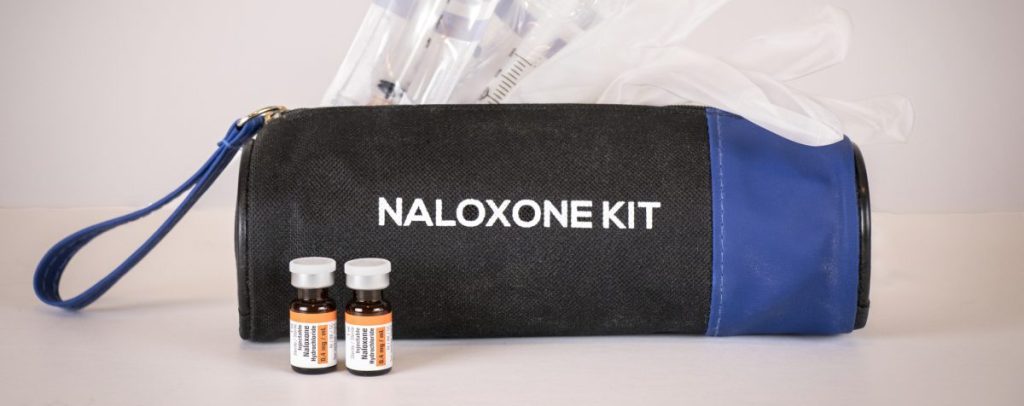
#2 Narcan (naloxone) Saves Lives – Narcan Locator
Narcan (naloxone) has become a vital tool in the fight against opioid overdoses, saving countless lives across the United States. This guide offers comprehensive information on Narcan, including how it works, who should carry it, where to find it, and how to administer it in an emergency. With resources like overdose data, training videos, and a Narcan locator map, this guide aims to provide crucial knowledge to help combat the opioid epidemic. Narcan is available without a prescription and can be a life-saving resource for anyone who might encounter an overdose. View Guide

#3 Fake Prescription Medication Laced With Deadly Quantities of Fentanyl
With a surge in fake prescription pills laced with deadly fentanyl flooding the market, young people and first-time users face unprecedented risks. These counterfeit medications, crafted by cartels to look like trusted prescriptions, contain lethal doses that can cause immediate overdose. Former federal prosecutor Andrew McKenna and experts from the DEA warn that vigilance and education are essential in protecting our communities from this dangerous trend. View Guide

#4 How to Create A Relapse Prevention Plan
Creating a relapse prevention plan is essential for long-term recovery from addiction. It provides a structured approach to maintaining sobriety and managing the common challenges that arise. A successful plan involves recognizing and managing triggers, continuing therapy and support meetings, setting healthy boundaries, and engaging in self-care activities. Remember, relapse prevention is a personal journey that requires self-awareness, patience, and support from loved ones and professionals. Embrace your progress, respect your limits, and seek help if setbacks occur—recovery is always worth the effort. View Guide

#5 Interventions Can Save Your Loved One’s Lives
Interventions can be a life-saving step in helping a loved one struggling with addiction. However, careful planning and professional guidance are crucial to success. This guide outlines the process and stages of a successful intervention, emphasizing compassion and support while avoiding common pitfalls that may harm rather than help. By creating a supportive environment and setting clear consequences, family and friends can offer their loved ones a path toward recovery. View Guide

#6 Addiction Treatment for People with Disabilities
Addiction and disabilities often intersect, compounding challenges for affected individuals and their families. This guide offers an in-depth look at the co-occurrence of addiction and disabilities, including understanding the types of disabilities, risk factors for substance misuse, signs of addiction, and the treatment options available. It also discusses potential barriers to recovery and how loved ones can support individuals facing these dual challenges. View Guide

#7 Addiction and Homelessness
The intersection of addiction and homelessness is a complex and deeply rooted issue impacting millions across the United States. This page explores the connection between substance use disorder and homelessness, examining how each can drive and perpetuate the other. Discover resources, insights, and paths to recovery and stability for those struggling with both homelessness and addiction, as well as guidance on how to support individuals facing these challenges. View Guide

#8 Social Media Addiction and Suicide – Guide
Social media has become a fundamental part of how we communicate, connect, and form identities—especially for Gen Z, who spend hours daily on these platforms. While social media offers connection, it also brings serious risks, including increased rates of mental health crises like suicide and self-harm. This page provides insights into the effects of social media on mental health, signs of addiction, and resources for support and recovery. If you or someone you know is struggling, remember you’re not alone—help is available. View Guide

#9 A Prevention Primer For Parents and Caregivers
This primer offers essential guidance for parents and caregivers navigating the complex issue of substance use among adolescents. Drawing on expert insights, it provides practical advice on setting clear boundaries, being present, and fostering open communication. The article emphasizes the importance of awareness in both everyday behaviors and online activities, offering a compassionate approach to understanding the pressures and challenges children face. With real-life scenarios and actionable steps, this resource is designed to empower parents and caregivers in preventing substance misuse and supporting their children’s well-being. View Guide

#10 First Responders and Mental Health: Our Heroes Need Help
First responders face immense pressure and trauma in their daily work, often leading to mental health challenges like depression, PTSD, and anxiety. These issues are prevalent in the first responder community, with substance abuse frequently following as individuals self-medicate. This article explores the mental health struggles first responders face, the impact on their work and well-being, and the treatment options available to support them. It offers valuable resources for individuals and their families, emphasizing the importance of seeking help without fear of stigma or job loss. View Guide

#11 Cyberbullying and Suicide among Youth – Guide
Cyberbullying is a growing problem among teens, with over 90% of U.S. teenagers acknowledging its impact. This guide explores the connection between cyberbullying, mental health, and suicide, shedding light on the harmful effects of online harassment. It offers insights into how parents and guardians can protect their children, recognize signs of distress, and seek resources to combat bullying and its mental health consequences. View Guide

#12 Persuasive, Compassionate Arguments in Favor of Treatment
Convincing a loved one to seek treatment for substance use is a delicate and challenging process that requires empathy, patience, and persistence. This guide offers practical strategies to navigate the conversation, emphasizing the benefits of treatment, the consequences of not seeking help, and how to offer support and resources. With compassion and clear boundaries, you can help guide your loved one toward recovery, while also ensuring you take care of yourself during this emotionally taxing journey. View Guide

#13 Black Men Matter – Examining Mental Health Issues among Black Men – A Guide to Freedom
Social media has become a fundamental part of how we communicate, connect, and form identities—especially for Gen Z, who spend hours daily on these platforms. While social media offers connection, it also brings serious risks, including increased rates of mental health crises like suicide and self-harm. This page provides insights into the effects of social media on mental health, signs of addiction, and resources for support and recovery. If you or someone you know is struggling, remember you’re not alone—help is available. View Guide

#14 How Dogs Can Help with Depression
Dogs can have a profound impact on mental health, especially for those struggling with depression. From offering unconditional love and companionship to encouraging exercise and social interaction, dogs provide support in ways that can reduce stress, anxiety, and loneliness. This article explores the many ways dogs help boost mood, improve physical and emotional well-being, and promote a happier, healthier life. Whether as a pet, therapy animal, or simply a loving companion, dogs play a vital role in easing depression and bringing joy into our lives. View Guide